
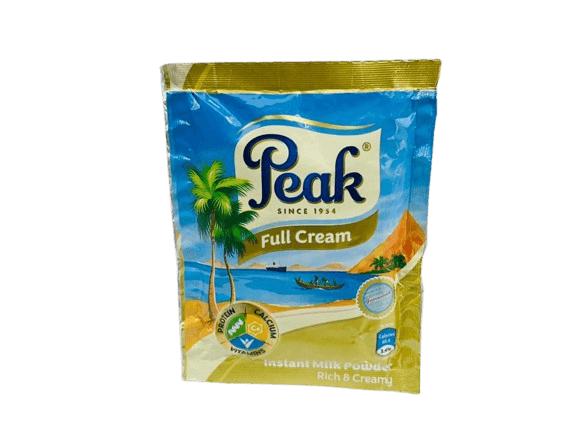
Peak Milk is one of Nigeria’s most recognised dairy brands. For many families, it is more than a tin of milk. It is part of breakfast, tea, pap, custard, cereals and everyday home nutrition.
But behind the popularity of Peak Milk is a bigger story about trust, affordability, counterfeit products and the pressure Nigerian consumers face in a difficult economy.
As food prices continue to rise across the country, many households are asking a simple question: can trusted brands like Peak Milk still remain affordable for ordinary Nigerians?
A Brand With Deep Nigerian Roots
Peak Milk is produced by FrieslandCampina WAMCO Nigeria PLC, one of the major dairy companies operating in Nigeria. The brand has been in the Nigerian market for decades and has built strong consumer loyalty across generations.
For many Nigerians, Peak Milk became popular because of its creamy taste, strong brand image and wide availability in shops, supermarkets and open markets.
Over the years, the brand has expanded into different product sizes and formats, including evaporated milk and powdered milk. This has helped it reach different classes of consumers, from families buying large tins to individuals buying smaller sachets.
The Affordability Question
Today, one of the biggest issues around Peak Milk is not just quality. It is price.
With inflation affecting food items across Nigeria, many consumers now compare milk prices carefully before buying. Some shoppers who once bought bigger tins now go for smaller packs. Others switch between brands depending on what they can afford.
This shows a major shift in consumer behaviour. Nigerians still value quality, but purchasing power has become a serious challenge.
For a brand like Peak Milk, the challenge is clear: how to maintain premium quality while still staying within reach of everyday consumers.
Counterfeit Peak Milk: A Serious Consumer Concern
One of the most important issues linked to Peak Milk in recent years is the warning over counterfeit products.
In 2023, NAFDAC alerted the public about counterfeit Peak 14g Instant Milk Powder being sold in parts of Nigeria. This raised concern because counterfeit food products can damage consumer trust and may pose health risks if not properly regulated.
For consumers, the lesson is simple: buy Peak Milk from trusted stores, check the packaging carefully, look out for spelling errors, poor sealing, suspiciously cheap prices and unclear manufacturing details.
Counterfeit products do not only affect companies. They also put families at risk.
Why Peak Milk Still Dominates Many Nigerian Homes
Despite economic pressure and counterfeit concerns, Peak Milk remains a powerful household name in Nigeria.
The brand benefits from long-term trust, strong distribution and emotional connection with consumers. Many Nigerians grew up seeing Peak Milk in their homes, and that brand memory still influences buying decisions today.
However, loyalty is no longer automatic. Today’s consumer wants quality, affordability, safety and transparency.
The Bigger Picture
The Peak Milk story reflects a wider issue in Nigeria’s food market. Consumers want trusted brands, but they are also under financial pressure. At the same time, counterfeiters are taking advantage of popular products to deceive buyers.
This means regulators, manufacturers and retailers must work harder to protect the public.
For FrieslandCampina WAMCO, Peak Milk remains a valuable brand. But in today’s market, the company must continue to defend consumer trust through product safety, affordability, clear communication and strong anti-counterfeit measures.
Peak Milk is still one of Nigeria’s most iconic dairy brands. But the brand now operates in a tougher environment where price, consumer trust and product safety matter more than ever.
For Nigerian families, the advice is simple: buy carefully, check the product before use and avoid suspiciously cheap dairy products.
For the company, the message is also clear: trust built over decades must be protected every day.