
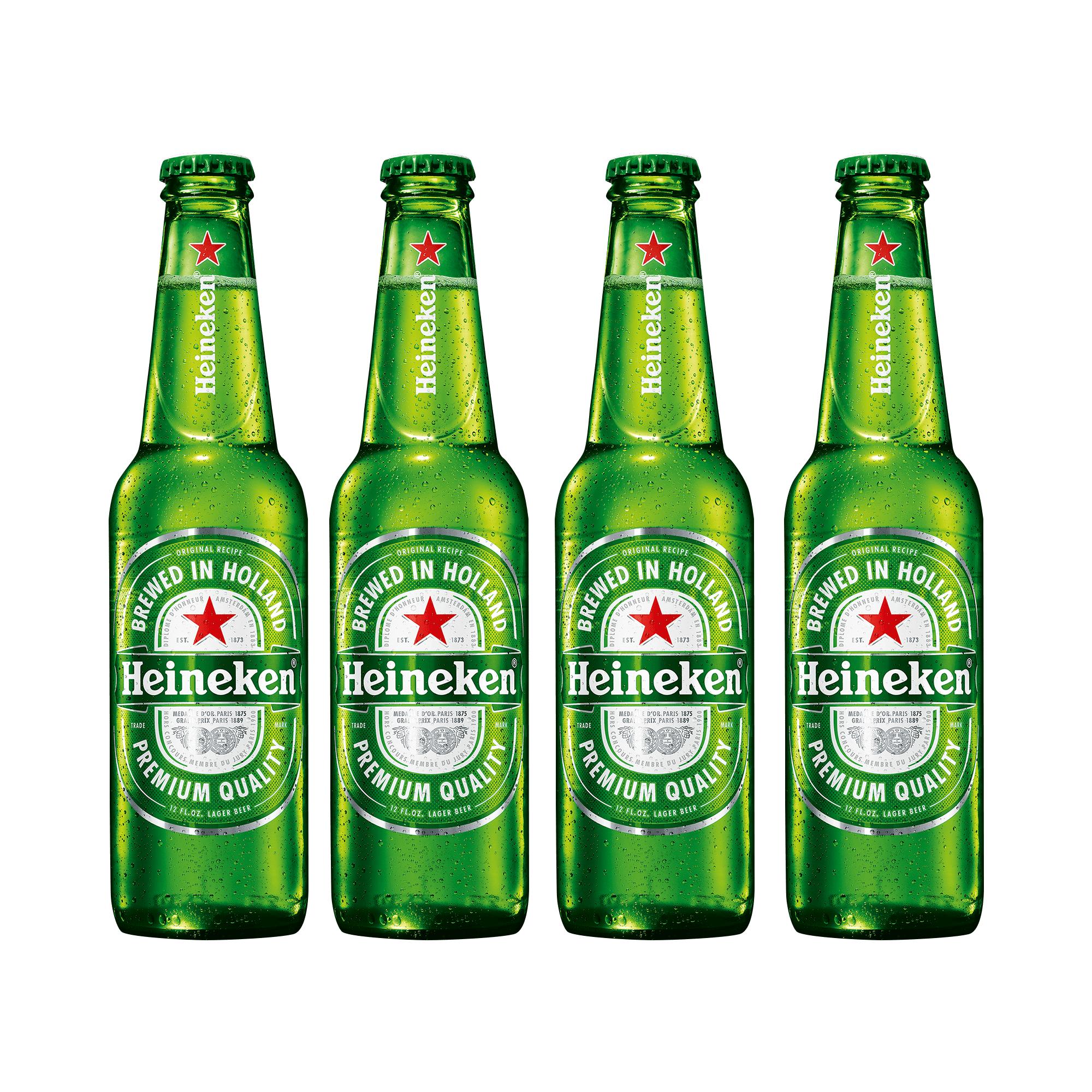
Heineken is one of the most recognised beer brands in the world. Its green bottle, red star and premium lager identity have made it a familiar name in bars, clubs, lounges, hotels and social events across many countries.
In Nigeria, Heineken sits in the premium beer category, where customers are not only buying a drink. They are also buying status, lifestyle, taste and brand identity.
But as Nigeria’s beer market becomes more competitive and consumer spending weakens, Heineken faces a major question: can a premium international beer brand continue to attract loyal customers in a price-sensitive market?
A Global Beer Brand With Long History
Heineken’s story began in Amsterdam in 1873, when Gerard Heineken started a family brewery that later grew into a global beer name. Today, the Heineken brand is known internationally for its lager, green packaging and strong marketing identity.
In Nigeria, Heineken is part of the Nigerian Breweries Plc brand portfolio. Nigerian Breweries describes itself as Nigeria’s pioneer and largest brewing company, incorporated in 1946.
Heineken’s Place in Nigeria’s Premium Beer Market
Heineken has built its Nigerian image around premium lifestyle, nightlife, football, events and modern urban culture.
The brand is often associated with classy outings, parties, lounges and entertainment spaces. For many consumers, Heineken is not positioned like an ordinary beer. It is marketed as a premium choice.
This brand identity gives Heineken a strong advantage, especially among young professionals, corporate drinkers and event audiences.
The Price Challenge
However, Nigeria’s economy has changed how people spend money.
With rising food prices, transport costs and living expenses, many consumers now think carefully before spending on premium drinks. Some customers still prefer Heineken for its brand value, while others may choose cheaper beer options when money is tight.
This puts pressure on premium beer brands. They must continue to justify their price through taste, quality, packaging, availability and experience.
Competition From Local and International Beer Brands
Heineken does not operate alone in Nigeria’s beer market. It competes with other lager brands, stout brands, flavoured alcoholic drinks and emerging lifestyle beverages.
Nigerian Breweries itself owns several brands across lager, stout, non-alcoholic and spirit categories. The company says it focuses on quality standards across its product portfolio.
For Heineken, this means the brand must remain distinct. It must keep its premium image strong while still staying relevant to Nigerian drinkers.
Responsible Drinking and Brand Trust
As an alcoholic beverage, Heineken also operates in a category where responsible drinking matters.
For consumers, moderation is important. Alcohol should not be sold to underage persons, and drinkers should avoid drinking before driving or operating machinery.
For the brand, trust is not only about taste. It is also about responsible marketing, product quality and safe consumer engagement.
The Bigger Picture
Heineken’s story in Nigeria reflects a bigger trend in the beverage market.
Consumers still value premium brands, but they are becoming more selective. They want products that feel worth the money. They also want brands that match their lifestyle without ignoring economic reality.
This is why Heineken must continue balancing premium positioning with market pressure.
Heineken remains one of the strongest premium beer names in Nigeria. Its global reputation, strong packaging and lifestyle-driven marketing keep it visible in the beer market.
However, Nigerian consumers are now more price-conscious than before. To remain relevant, Heineken must continue to offer quality, consistency and brand experience that justify its premium position.
For consumers, the choice is simple: enjoy responsibly, compare value and buy only from trusted outlets.